The Ultimate Guide to NFC Card Security and Data Privacy
|
As digital networking continues to grow, NFC business cards are becoming increasingly popular among entrepreneurs, corporate professionals, and modern businesses. With just a simple tap, these smart cards allow users to instantly share their contact information, website, or social media profiles.
However, as with any digital technology, many people ask an important question: Are NFC cards safe to use?
In this ultimate guide, we will explore how NFC cards work, the security features behind them, and how businesses can ensure their data remains protected while using contactless technology. |
|
| |
 |
| |
What is an NFC Card?
|
| NFC stands for Near Field Communication, a short-range wireless technology that allows devices to exchange information when they are placed close together, typically within 4 centimeters. |
| |
| NFC technology is widely used in many everyday applications such as: |
 |
 |
|
Contactless payments |
|
|
 |
|
Digital business cards |
|
|
|
 |
|
Smart access systems |
|
|
 |
|
Hotel key cards |
|
|
|
 |
|
Public transportation cards |
|
|
|
| |
An NFC business card contains a small embedded chip that stores a digital link or profile. When tapped against a smartphone with NFC enabled, the phone automatically opens the stored information, allowing the user to view contact details or other digital content instantly.
Because of its simplicity and speed, NFC technology is transforming the way professionals exchange information. |
|
| |
Are NFC Cards Secure?
|
One of the biggest concerns people have is whether NFC cards can access private data on their phones. The good news is that NFC cards cannot access personal data from a device.
NFC business cards work in a one-way communication process. The card simply sends the information that has been programmed into it, such as a link to a digital profile. It does not read or extract information from the smartphone that taps it. |
| |
| This means that tapping an NFC card does not expose: |
|
| Feature |
| |
 |
|
Risk of Loss |
|
|
 |
|
 |
|
Contact Accuracy |
|
|
|
|
 |
|
Security |
|
|
|
| NFC Business Card |
| |
| Low |
|
|
|
| Always Updated |
|
|
|
| Controlled Sharing |
|
|
| Paper Business Card |
| |
| High |
|
|
|
| Often Outdated |
|
|
|
| Anyone can copy |
|
|
| |
| Unlike paper cards that can easily be lost, copied, or outdated, NFC cards allow users to manage and update their information digitally. |
|
| |
Common Misconceptions about NFC Card Security
|
| There are several myths surrounding NFC technology that can cause unnecessary concerns. |
| |
 |
Myth 1:
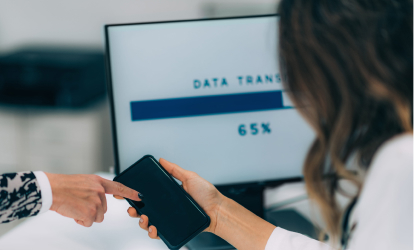
NFC Cards Can Steal Phone Data |
|
| This is false. NFC cards do not have the ability to access or extract data from smartphones. They only transmit predefined information. |
|
|
|
Myth 2:
NFC Cards Can Track User |
|
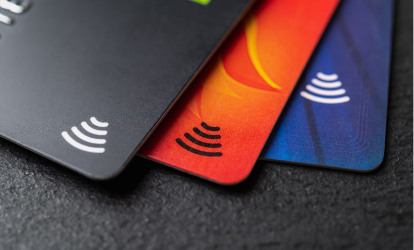
| NFC cards themselves do not track people or devices. Any analytics or tracking would come from the website or platform linked to the card, similar to visiting a webpage. |
|
 |
|
|
 |
Myth 3:
NFC Cards Are Easy to Hack |
|
| Modern NFC chips and digital platforms include security protocols that protect the stored data. Additionally, since the communication range is extremely short, the risk of external interference is very low. |
|
|
|
| |
 |
|
| Best Practices for Using NFC Business Cards Safely |
|
| Although NFC technology is generally safe, businesses should follow best practices to ensure maximum security and privacy. |
|
|
 |
|
| Use Trusted NFC Providers |
|
| Always obtain NFC cards from reputable providers that use reliable chips and secure digital platforms. |
|
|
 |
|
| Keep Digital Profiles Updated |
|
| Maintaining updated information ensures that contacts receive accurate and trustworthy details about your business. |
|
|
|
 |
|
| Use Secure Hosting Platforms |
|
| Ensure that the digital profile linked to your NFC card is hosted on a secure website with proper encryption and data protection measures. |
|
|
 |
|
| Control the Information You Share |
|
| Only include professional information that you are comfortable sharing publicly, such as your name, business contact details, and company website. |
|
|
|
|
| |
Data Privacy Considerations for Businesses
|
| As companies adopt NFC business cards, data privacy becomes an important factor. Businesses should ensure that they follow relevant data protection practices when collecting or sharing information. |
| |
| Some key considerations include: |
|
 |
|
Transparency in how contact information is shared |
|
 |
|
Compliance with local data privacy regulations |
|
|
 |
|
Secure storage of customer or lead data |
|
 |
|
Clear communication with users about how their information is used |
|
|
| |
| When implemented responsibly, NFC cards can help businesses manage contacts more efficiently while maintaining strong data privacy standards. |
|
| |
The Future of Secure Digital Networking
|
| As technology continues to evolve, professionals are moving toward smarter, more secure ways of networking. NFC business cards represent a major step forward in this transformation. |
| |
| NFC technology is widely used in many everyday applications such as: |
|
 |
|
Instant contact sharing |
|
|
 |
|
Reduced paper waste |
|
|
 |
|
Better data control |
|
|
|
 |
|
Secure and intentional communication |
|
|
 |
|
Improved professional presentation |
|
|
|
|
| |
| For entrepreneurs, sales teams, and modern professionals, NFC cards offer a convenient and secure way to connect with others in a digital-first world. |
| |
 |
|
Conclusion
|
NFC business cards are not only a powerful networking tool but also a secure and privacy-conscious solution for modern professionals.
With short-range communication, controlled data sharing, and the ability to manage information digitally, NFC technology provides a safer and more efficient alternative to traditional paper business cards.
As businesses continue to embrace digital transformation, NFC cards will play an increasingly important role in how professionals share information and build meaningful connections. |
|
|
|
| |